
Cliff Richard
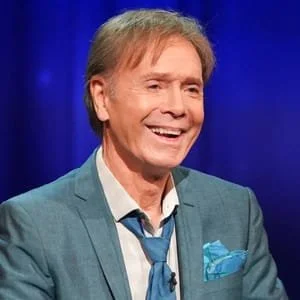
Cliff Richard - A Timeless Icon of Pop Music
With a career spanning more than six decades, Cliff Richard stands as one of the most enduring and influential figures in British pop music history. From his early rock and roll roots to polished chart-topping pop hits, Cliff Richard has enjoyed remarkable longevity, delivering classics such as “Living Doll,” “Summer Holiday,” “Devil Woman,” and “We Don’t Talk Anymore.” His ability to evolve with popular music trends has earned him a devoted, multi-generational fanbase and a permanent place in pop culture.
Early Life and Musical Beginnings
Born Harry Rodger Webb on 14 October 1940 in Lucknow, India, Cliff Richard moved to the United Kingdom with his family in 1948. Inspired by the rise of American rock and roll, he began pursuing music as a teenager. In the mid-1950s, he formed a backing group called The Drifters, later renamed The Shadows to avoid confusion with the American band.
The Shadows—featuring Hank Marvin, Bruce Welch, Jet Harris, and Tony Meehan—became one of the most important groups in British music, helping to shape the early sound of UK pop and rock while supporting Cliff’s rapid rise to fame.
Breakthrough and Rise to Pop Stardom
Cliff Richard’s breakthrough came in 1958 with the release of “Move It,” widely regarded as the first genuine British rock and roll hit. The song propelled him into the spotlight and marked the beginning of an extraordinary run of chart success.
Throughout the 1960s, Cliff became a dominant force on the UK pop charts, known for his clean-cut image, charismatic stage presence, and a string of hit singles and films. Songs like “Living Doll” and “Summer Holiday” cemented his status as a pop superstar and household name.
Reinvention and Continued Chart Success
As pop music evolved, Cliff Richard adapted seamlessly. During the 1970s and 1980s, he successfully transitioned into a more contemporary pop sound, embracing modern production while retaining his melodic appeal. This era delivered some of his biggest international hits, including “Devil Woman” and “We Don’t Talk Anymore,” which became one of his best-selling singles worldwide.
His ability to stay relevant across changing musical eras is one of the defining features of his career, making him one of the few artists to score major pop hits in five consecutive decades.
Legacy, Charity, and Recognition
Beyond his music, Cliff Richard is widely respected for his philanthropic work, supporting numerous charities focused on children, healthcare, and the elderly. His dedication to charitable causes has been as consistent as his musical output.
In recognition of his outstanding contribution to music and public life, Cliff Richard was knighted in 1995, becoming Sir Cliff Richard. With countless awards, record-breaking chart achievements, and an unparalleled career in pop music, his legacy remains unmatched.
Today, Cliff Richard is celebrated not just as a pop star, but as a true icon of British popular music, whose songs continue to be enjoyed on pop radio and playlists around the world.